A family is the simplest functional unit in society, and it needs all hands to be on deck to flourish. In a home where the family unit is made up of the father, mother, and child(ren), what is expected of each household member? For the longest time, the roles of the father and mother have been defined across many societies. However, the child is the one family member who has little say of their responsibilities.
Is it that children are partially or completely exempted from roles description due to their dependency on their parents? If the answer is “no,” what then are those things a child can and should do in a home? What is expected of children in the family and how to go about the whole subject matter of children’s roles is what will be addressed in this write-up. Therefore, as a parent, child, or one who is both a parent and a child, reading through this will be of great help.
Basic Roles of Children in the Family.
A child’s roles in the family are influenced and defined by many factors. Those factors include the environment/society where the family resides, or the parents come from; the birth position of the child; the setup of the family; in some societies, the gender of the child; the nature and parenting style of the parent, etc.
This means there will always be a slight difference in each child’s expectations. Despite this disparity, there are still a few acceptable roles across many societies, notwithstanding any earlier mentioned factors. To dig into these roles, keep reading.
Honoring the Parent:
Irrespective of faith, belief system, and environment, honoring the parent as a child is an important role of a child. The Bible clearly states that honoring a parent is the right thing to do. Honoring a parent is simply respecting and greatly esteeming a parent. It starts from the mind then communicated through words and actions.
Honour makes it possible for a child to obey their parents and do things to portray a reputable image of the family. Another thing honoring a parent does for a child is open the child’s heart to receiving corrections and learning. This attribute is very important for children to get better as they grow older.
Play the Role of Assisting the Parent:
Another all-encompassing role is the role of helping out the parent in any possible way. The child’s age, i.e., does not limit this role just like the first one mentioned a child cannot outgrow them as far as they still belong to the family unit as a child.
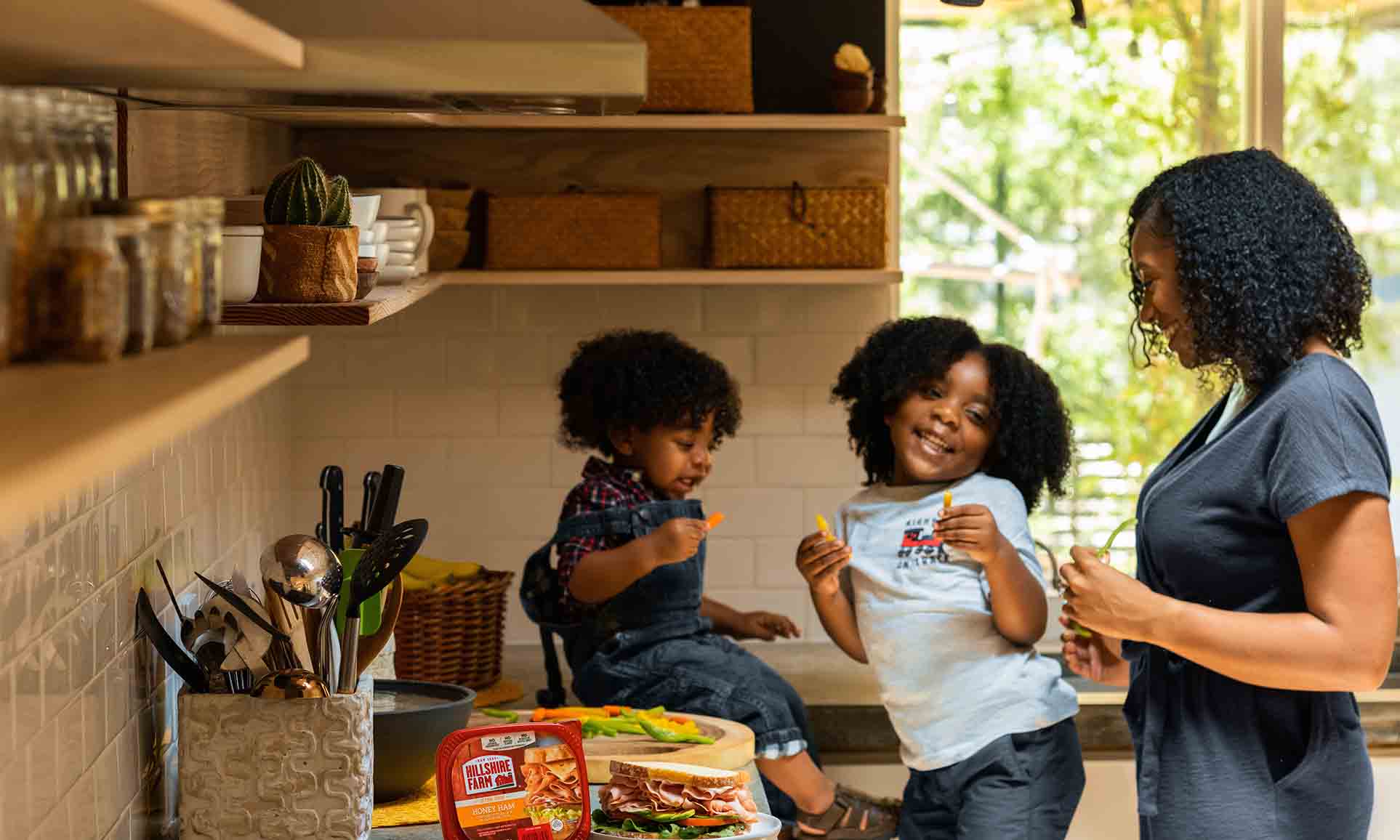
The role of helping out in the family can play out in different ways at different times. A child can be saddled with the responsibility of carrying out a particular chore, tending to younger siblings, helping out with the family business, etc. In the process of assisting a parent, children get to learn firsthand how to become better equipped to manage their lives and their own homes as parents in the future.
Introducing Roles to Children.
As a parent interested in parenting a child well, how to go about making children understand and carry out their roles might be a bit of a bother. So, let’s look at what this entails.
Research has it that children learn most from observation. Therefore ensuring a child is present while a parent does what they will wish the child to do is the first step in this regard. Afterward, such a child can be allowed to try out these responsibilities themselves within close supervision of the parent. Over time, the child can be allowed to work alone with minimal supervision if need be.
To effectively groom a child to take up roles, it is very important to understand them. Every child is different, so it is best to treat each child as uniquely different from the other.
Benefits of Children Roles.
There are different groups of persons who benefit from children taking up roles. Let’s examine three categories.
1. The Child:
- Roles give children the opportunity of learning from their parents, thereby fostering growth and maturity.
- Children tend to have a closer family bond with other family members when they carry out their roles. For example, a child who is responsible for looking out for a younger sibling has the greater luxury of a closer bond.
- Exposing children to responsibilities such as assisting the parent makes the child better prepared to handle other life’s responsibilities.
2. The Parent:
- Children’s roles afford parents the opportunity of knowing their children better. Children’s positive and negative tendencies are most revealed when children are carrying out different duties.
- With the parent having a better knowledge of the child, they are more equipped to groom their children.
3. The Society:
Society is a collection of various families. Therefore, having children play out their roles at home will profit the society in various ways:
- Better individuals will be raised, thereby producing a good workforce and manpower to manage different aspects of society.
- Social vices will be reduced as persons will grow up with a greater value system, which will enhance society’s safety.
Striking a Balance
To avoid dysfunctionality in the home and the society at large, it is necessary to point out certain things when talking about children’s roles in the family.
- The role of a child is to be defined according to the age and developmental stage of the child. Demanding that a child carry out responsibilities that are more advanced than the child’s growth level (whether physically or mentally) is child abuse. The negative effects of this far outweigh the positive. Training children on roles should be a gradual process.
- Creating a reward system for a child must have a balance to it. If not properly managed, children are likely to grow up with an entitlement mindset which is not healthy for any individual.
- Roles clearly defined for parents are not meant to be carried out by children to assist the parent, especially in the early years of a child’s life.
- Children should never be shamed for failing at a particular responsibility. Affirmations and other positive devices should be employed as they better affect a child’s psychology. However, this is not an excuse for indiscipline.
For a family to run smoothly, everyone must be evolved. Everyone, including the children. Achieving a family characterized by joy and harmony entails that each member of the household efficiently carries out their roles, which will produce a better society.