There comes a moment in every believer’s life when faith stops sounding poetic and starts feeling necessary. It is the moment when Scripture is no longer something we quote to others, but something we cling to in silence. Faith, in these moments, is no longer a language we speak fluently in church settings or social media captions; it becomes a lifeline we hold onto when the ground beneath us gives way.
Many of us are taught how to talk about faith long before we learn how to lean on it. We learn Christian vocabulary, memorize verses, and understand theology, yet we are often unprepared for the seasons when faith is all we have left. When prayers feel heavy, answers feel delayed, and God feels quiet, faith becomes less about expression and more about survival.
This is where true faith is revealed.
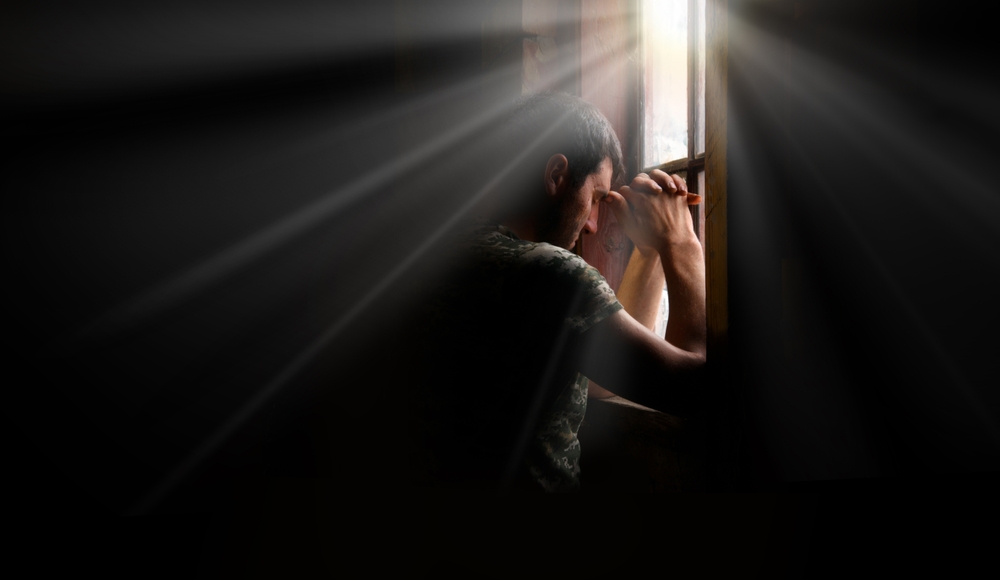
Faith Beyond Words
The Bible tells us that “faith is the substance of things hoped for, the evidence of things not seen” (Hebrews 11:1). This verse is often quoted, but rarely experienced in its fullness until life strips us of certainty. When the “seen” fails us, relationships crumble, health declines, finances collapse, faith moves from the mind to the soul.
Faith as language is comfortable. Faith as a lifeline is costly.
Language allows us to explain belief. A lifeline forces us to depend on it.
In James 2:17, Scripture reminds us that “faith by itself, if it does not have works, is dead.” But these works are not always visible actions. Sometimes the greatest act of faith is simply continuing to trust God when everything inside us wants to give up. Sometimes faith looks like getting out of bed, whispering a broken prayer, or choosing not to harden your heart after disappointment.
The Silent Seasons of Faith
There are seasons when God feels distant, even though Scripture assures us that He never leaves nor forsakes us (Deuteronomy 31:6). These seasons are not punishments; they are invitations, opportunities to discover whether our faith is rooted in God’s presence or merely in His blessings.
David understood this deeply. In Psalm 22:1, he cries out, “My God, my God, why have you forsaken me?” This is not the language of polished faith. It is the raw sound of someone clinging to God with questions still unanswered. Yet David never let go. His lament was still directed toward God, not away from Him.
Faith as a lifeline does not require perfect words. It only requires honesty.
When faith becomes language, we often perform it. When it becomes a lifeline, we live it.
When Faith Is All You Have
There are moments in life when everything else fails. Friends may not understand. Plans may fall apart. Strength may run out. In those moments, faith becomes the thread holding you together.
The Apostle Paul writes in 2 Corinthians 5:7, “For we walk by faith, not by sight.” Walking by faith is not a metaphor for ease; it is a description of endurance. Sight offers clarity, but faith offers continuity. It keeps us moving when the road ahead is unclear.
Paul himself pleaded with God to remove his suffering, yet God responded, “My grace is sufficient for you, for my power is made perfect in weakness” (2 Corinthians 12:9). Faith as a lifeline accepts that sometimes God does not remove the storm but strengthens us to survive it.
This kind of faith is not loud. It does not announce itself. It simply refuses to let go of God.
Faith That Holds You When You Can’t Hold God
There are days when holding onto faith feels impossible. That is when faith holds onto you.
Jesus tells us in Matthew 17:20 that faith as small as a mustard seed can move mountains. This is not about quantity, but authenticity. A mustard seed is tiny, but it is alive. Even the smallest faith, when genuine, carries divine power.
When you cannot pray long prayers, a whispered “Lord, help me” is enough. Romans 8:26 assures us that the Holy Spirit intercedes for us when we do not know what to pray. Faith as a lifeline trusts that God hears even the prayers we cannot articulate.
God is not measuring your eloquence. He is responding to your dependence.
Faith Refined Through Suffering
Faith that has never been tested remains theoretical. Faith tested through suffering becomes transformational.
1 Peter 1:6–7 explains that trials refine our faith like fire refines gold. Fire does not destroy what is genuine; it reveals it. Suffering strips away superficial belief and exposes the core of our trust in God.
Job experienced this kind of faith. After losing everything, he declared, “Though He slay me, yet will I trust Him” (Job 13:15). This is faith beyond language. This is faith anchored in the character of God, not in circumstances.
Faith as a lifeline does not deny pain. It simply refuses to let pain have the final word.
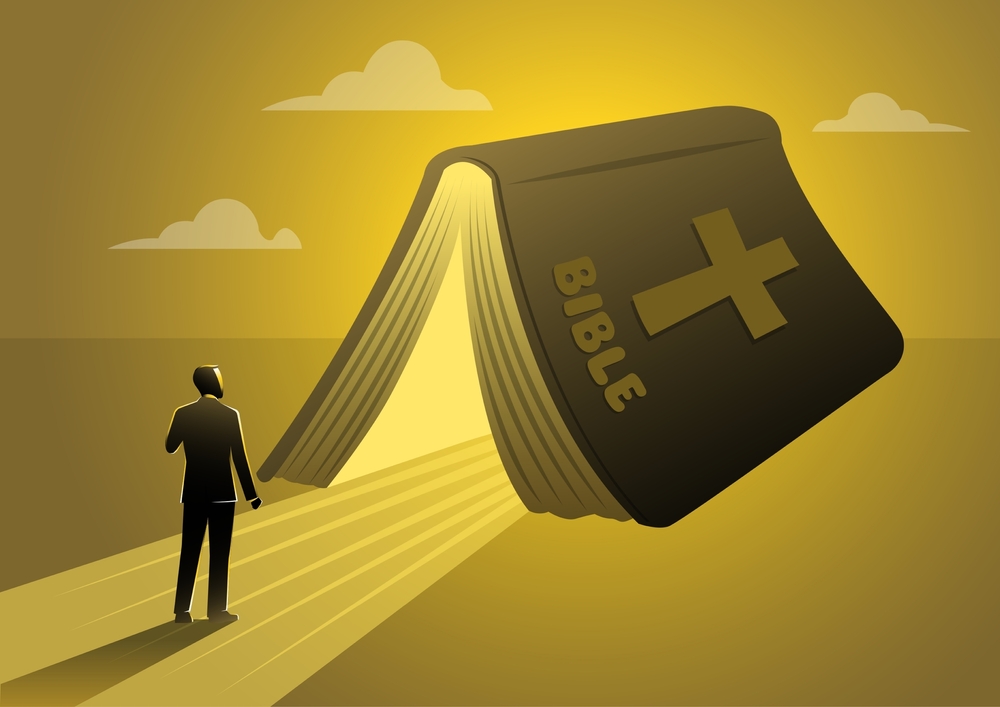
When Faith Feels Fragile
One of the most dangerous lies believers face is the idea that strong faith never doubts. In reality, doubt is often a doorway to deeper trust.
The man who approached Jesus in Mark 9:24 cried out, “Lord, I believe; help my unbelief!” Jesus did not reject him for this confession. He responded with compassion and power. Faith as a lifeline makes room for honesty, even when belief feels fragile.
God is not threatened by your questions. He is inviting you to bring them to Him.
Faith That Endures
Jesus warns in Matthew 24:13 that “the one who endures to the end will be saved.” Endurance is not passive. It is an active trust over time. Faith as a lifeline is not about momentary inspiration; it is about sustained surrender.
Enduring faith chooses obedience even when outcomes are uncertain. It continues to show up, worship, pray, and hope, even when answers are delayed.
Isaiah 40:31 promises that those who wait on the Lord will renew their strength. Waiting is not wasted time. It is the space where faith deepens.
Questions for Reflection
- Have there been moments when your faith felt more like survival than certainty?
- Are you holding onto God for comfort, or are you trusting Him as your foundation?
- What has your suffering revealed about the depth of your faith?
- Are you allowing God to meet you in your doubts, or are you hiding them behind religious language?
Take time to sit with these questions. Faith grows in reflection.
A Prayer for When Faith Feels Like a Lifeline
Heavenly Father,
I come to You not with perfect words, but with an honest heart.
When faith feels heavy and answers feel distant, remind me that You are near.
Teach me to trust You when I cannot trace You.
Strengthen my faith when it feels fragile, and hold me when I am too weak to hold on.
Let my faith be rooted not in circumstances, but in Your unchanging character.
I choose to believe that You are working, even when I cannot see it.
In Jesus’ name, Amen.
A Prayer for Enduring Faith
Lord,
Help me to walk by faith and not by sight.
When my journey feels long and uncertain, renew my strength.
Refine my faith through trials and teach me to depend fully on You.
May my life reflect a faith that endures, trusts, and remains anchored in You.
Amen.
Living Out Faith as a Lifeline
Faith was never meant to be a performance. It was meant to be a connection. When faith becomes a lifeline, it transforms the way we live, love, and endure. It humbles us, grounds us, and draws us closer to God’s heart.
If you are in a season where faith feels less like confidence and more like clinging, know this: you are not failing. You are growing. God is closer than you think, and He is faithful to sustain what He has begun in you (Philippians 1:6).
Conclusion: When Faith Becomes the Place You Live From
Faith was never meant to remain a beautiful idea we admire from a distance. It was designed to become the place we live from, the breath we return to, and the lifeline that sustains us when every other support fails. When faith shifts from language to lifeline, it stops being something we merely express and becomes something that carries us. It moves from the surface of our conversations into the depths of our dependence. In that sacred space, faith is no longer about how well we speak of God, but about how fully we lean into Him.
These seasons, though painful, are not signs of spiritual weakness. They are evidence of spiritual formation. They are the moments when God gently strips away performance, familiarity, and self-reliance, inviting us into a truer, deeper trust. Here, faith is purified. Here, intimacy is born. Here, the heart learns that even when emotions waver and circumstances remain unresolved, God Himself remains steady. What once felt like survival slowly becomes surrender, and surrender becomes strength.
So if today your faith feels more like clinging than celebrating, more like endurance than excitement, be encouraged. You are not losing faith, you are learning it. God is shaping a faith that can stand when explanations cannot, that can worship when answers do not come, and that can rest even when the journey is unfinished. And this kind of faith, forged in the quiet and upheld by grace, will not fail you. It will lead you, hold you, and ultimately draw you closer to the heart of the God who has been holding you all along.
If this message has spoken to your heart, we invite you to stay connected. Follow us on our social media platforms for ongoing encouragement, biblical reflections, and faith-building insights designed to strengthen you in every season. And if you know someone who may be walking through a difficult time, please consider sharing this post with them. What God uses to steady your faith today may become someone else’s lifeline tomorrow.
Stay rooted. Stay connected. And keep holding on.