Introduction: The Sacred Paradox of Good Friday
Good Friday stands as one of the most profound and sacred moments in the Christian faith; a day marked by sorrow, reverence, and deep spiritual reflection. At first glance, it appears to be a contradiction. How can a day filled with suffering, betrayal, and death be called “good”? How can the crucifixion of Jesus Christ, one of the most brutal executions in human history, be associated with hope, redemption, and victory?
The answer lies in the eternal significance of what took place on that day. Good Friday is not merely a historical remembrance; it is the foundation of Christian faith and the turning point of humanity’s relationship with God. It is the day when divine love met human brokenness, when justice and mercy embraced, and when sacrifice paved the way for salvation.
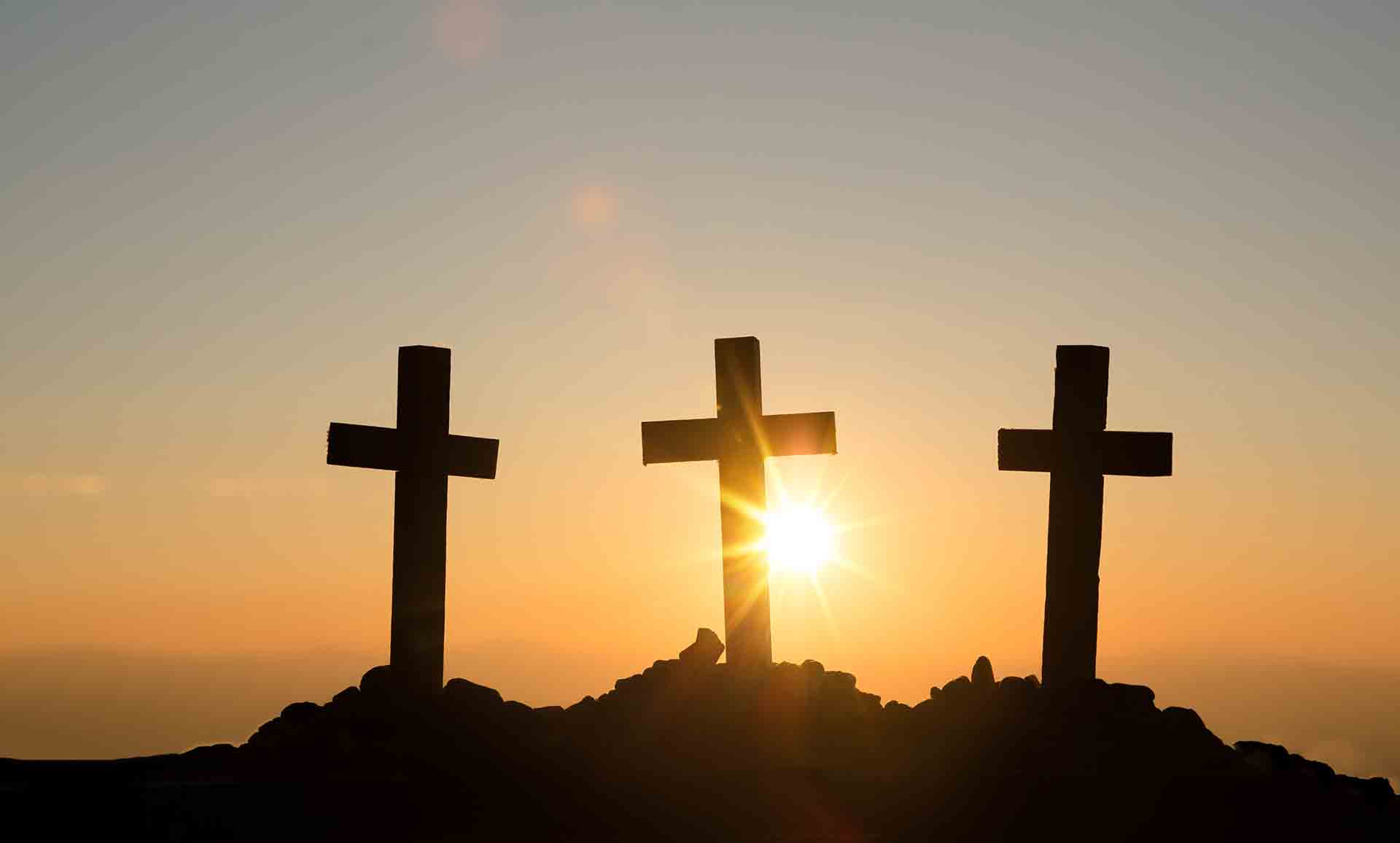
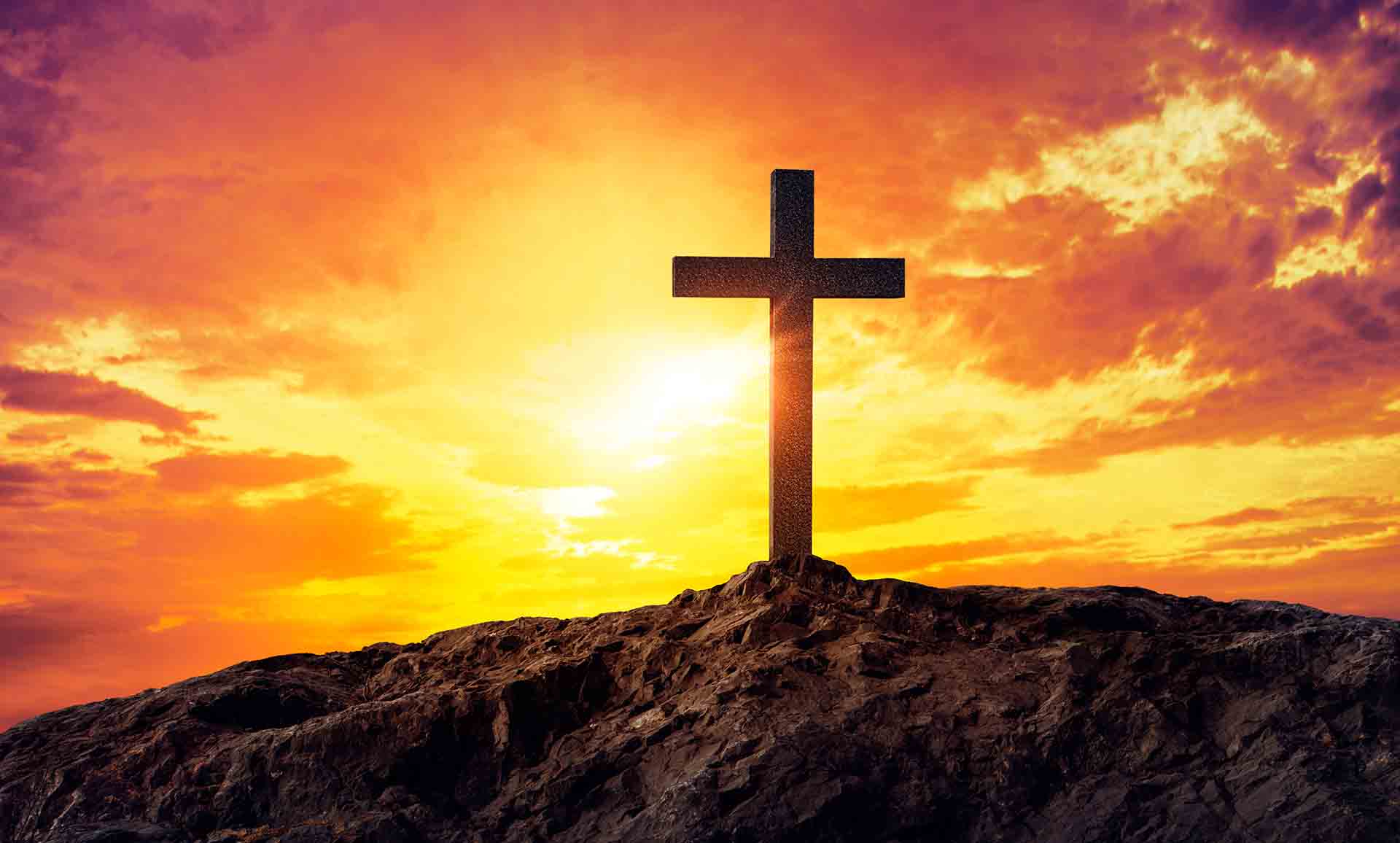
At the heart of Good Friday is the powerful imagery of the cross and the crown. The cross represents suffering, sacrifice, and surrender. The crown represents victory, authority, and eternal glory. Together, they tell a story that reshapes our understanding of pain, purpose, and redemption.
This blog explores the depth of Good Friday’s eternal impact, how the cross changed everything, and how the crown offers us a living hope that extends far beyond the grave.

The Historical and Spiritual Reality of the Cross
The story of Good Friday is recorded in the Gospels—Matthew 27, Mark 15, Luke 23, and John 19. These accounts do not merely narrate an event; they reveal a divine mission unfolding with precision and purpose.
Jesus Christ, the Son of God, was betrayed by one of His own disciples, falsely accused, unjustly tried, and sentenced to death by crucifixion. He was mocked by soldiers, crowned with thorns, beaten beyond recognition, and forced to carry His own cross to Golgotha, the place of the skull.
Crucifixion was not only a method of execution; it was a public display of humiliation and suffering. Yet, what makes this moment extraordinary is that Jesus willingly endured it. He was not a helpless victim. He was a willing Savior.
John 10:18 reminds us of His authority: “No one takes it from me, but I lay it down of my own accord.”
This single verse shifts our perspective entirely. The cross was not a tragic accident; it was a divine appointment.
Centuries before this event, the prophet Isaiah described the suffering of the Messiah in remarkable detail: He was despised and rejected by mankind, a man of suffering, and familiar with pain…” (Isaiah 53:3)
The cross, therefore, was both historical and prophetic. It fulfilled God’s redemptive plan, demonstrating that nothing about Good Friday was random. Every moment, every wound, every drop of blood had eternal significance.
The Weight of Sin and the Depth of Sacrifice
To truly understand the cross, we must understand the weight it carried. The suffering of Jesus was not only physical but also profoundly spiritual.
Sin, by its very nature, separates humanity from God. Romans 3:23 declares: “For all have sinned and fall short of the glory of God.”
This separation creates a gap that human effort cannot bridge. No amount of good works, moral living, or religious rituals can erase the stain of sin. The consequence of sin is death, not only physical death but spiritual separation from God (Romans 6:23).
This is where the cross becomes essential.
Jesus took upon Himself the full weight of humanity’s sin, past, present, and future. He bore the guilt, shame, and judgment that rightfully belonged to us.
2 Corinthians 5:21 captures this divine exchange: “God made him who had no sin to be sin for us, so that in him we might become the righteousness of God.”
This is the heart of the Gospel. Jesus became what we were so that we could become what He is—righteous, redeemed, and restored.
The moment Jesus cried out, “My God, my God, why have you forsaken me?” (Matthew 27:46), He experienced the weight of separation so that we would never have to.
This was the cost of love.
“It Is Finished”: A Declaration of Eternal Victory
As Jesus hung on the cross, enduring unimaginable suffering, He spoke three words that would echo through eternity: “It is finished.” (John 19:30)
In the original Greek, the word used is tetelestai, meaning “paid in full.” This was not a cry of defeat; it was a declaration of completion.
The mission was accomplished. The debt of sin was fully paid. The barrier between God and humanity was removed.
In the Old Testament, sacrifices were offered repeatedly to atone for sin. But these sacrifices were temporary and incomplete. They pointed forward to a greater, final sacrifice.
Hebrews 10:12 explains: “But when this priest had offered for all time one sacrifice for sins, he sat down at the right hand of God.”
Jesus’ sacrifice was sufficient. Nothing needed to be added. Nothing could be taken away.
At that very moment, the veil in the temple was torn from top to bottom (Matthew 27:51), symbolizing that access to God was now open to all.
No longer was there a need for intermediaries. Through the cross, we have direct access to the Father.
From the Cross to the Crown: The Journey to Glory
While Good Friday focuses on the suffering of Christ, it cannot be separated from what comes next—the resurrection.
The cross leads to the crown.
Philippians 2:8–9 reveals this progression: “He humbled himself by becoming obedient to death—even death on a cross! Therefore God exalted him to the highest place…”
The crown represents victory, authority, and exaltation. It signifies that death was not the end of the story. The resurrection confirms that Jesus conquered sin, death, and the grave.
Romans 1:4 declares that Jesus was “appointed the Son of God in power by his resurrection from the dead.”
The crown is not just symbolic; it is a declaration of triumph.
And this victory is not reserved for Christ alone. It is extended to all who believe.
James 1:12 speaks of the “crown of life” promised to those who persevere, while Revelation 2:10 encourages believers to remain faithful, even in suffering.
The same journey from cross to crown is reflected in our lives. We may face trials, challenges, and moments of pain, but through Christ, those moments are not wasted. They are part of a greater story that leads to victory.
The Eternal Impact of Good Friday on Humanity
Good Friday is not just a past event—it has present and eternal implications for every person.
Redemption and Forgiveness
Through the cross, we receive forgiveness. No sin is too great, no past too broken, no life too far gone.
Ephesians 1:7 assures us: “In him we have redemption through his blood, the forgiveness of sins…”
This redemption is not earned; it is given freely through grace.
Restoration of Relationship
The cross restores our relationship with God. We are no longer distant or disconnected—we are brought near.
Ephesians 2:13 says: “But now in Christ Jesus you who once were far away have been brought near by the blood of Christ.”
This relationship is personal, intimate, and transformative.
Freedom from Condemnation
Romans 8:1 declares: “There is now no condemnation for those who are in Christ Jesus.”
The cross removes guilt and shame, replacing them with grace and freedom.
Hope Beyond Death
Perhaps one of the greatest impacts of Good Friday is the hope it offers beyond death.
Because Jesus died and rose again, death no longer has the final word. Eternal life is now available to all who believe. John 11:25 reminds us:
“I am the resurrection and the life. The one who believes in me will live, even though they die.”
Living in the Light of the Cross
Understanding the cross is not meant to remain an intellectual exercise; it is meant to transform how we live.
The cross calls us to a life of surrender, humility, and faith.
Jesus said in Luke 9:23: Whoever wants to be my disciple must deny themselves and take up their cross daily and follow me.”
This means choosing obedience over convenience, love over selfishness, and faith over fear.
The cross also teaches us about forgiveness. Just as Christ forgave us, we are called to forgive others (Colossians 3:13). It teaches us about sacrificial love, the kind of love that gives without expecting anything in return.
Living in the light of the cross means allowing its message to shape our thoughts, actions, and relationships.
Personal Reflection: Encountering the Cross
Good Friday invites us into a moment of personal reflection.
Pause and consider:
- What does the cross mean in your life today?
- Have you fully embraced the forgiveness offered through Jesus?
- Are there burdens you are still carrying that you need to surrender?
- How is God calling you to live differently because of the cross?
The cross is not distant; it is deeply personal. It speaks directly to your heart, your struggles, and your journey.
A Prayer for Good Friday Reflection
Heavenly Father,
I come before You with a humble and grateful heart. Thank You for the sacrifice of Jesus Christ on the cross. Thank You for Your love that goes beyond understanding.
Lord, help me to truly grasp the depth of what was done for me on Good Friday. Forgive me for my sins and cleanse me from all unrighteousness. Teach me to walk in the freedom and grace You have given.
Help me to carry my cross daily and follow You with faith and obedience. Strengthen me in times of weakness and remind me that through You, victory is certain.
Thank You for the promise of the crown—for eternal life, hope, and glory. May my life reflect Your love to the world around me.
In Jesus’ name, Amen.
Conclusion: From the Cross to the Crown—A Timeless Invitation to Redemption and Victory
Good Friday is not merely a solemn remembrance of suffering; it is the defining moment where divine love intersected with human brokenness to bring about eternal redemption. The cross was never the end of the story; it was the doorway to a new beginning. What appeared to be a moment of defeat became the greatest victory in history. Through the sacrifice of Jesus Christ, sin was defeated, grace was released, and humanity was offered a restored relationship with God.
The message of the cross and the crown is one of profound transformation. The cross represents the depth of God’s love—sacrificial, unconditional, and redemptive. It reminds us that no matter how far we may fall, God’s grace reaches deeper still. The crown, on the other hand, represents victory, authority, and eternal life. It assures us that suffering is never wasted in God’s hands and that every act of obedience leads to glory.
The meaning of Good Friday centers on this powerful truth: Jesus paid the ultimate price so that we could experience the ultimate freedom. His declaration, “It is finished,” was not the end of hope; it was the fulfillment of God’s promise to redeem humanity. Because of the cross, we are no longer defined by our past, bound by guilt, or separated by sin. Instead, we are invited into a life of purpose, grace, and eternal hope.
As you reflect on the significance of the cross, let it reshape your perspective on life’s challenges. The same God who brought victory out of suffering on Good Friday is still at work today. Your trials are not the end of your story. In Christ, every pain can lead to purpose, every struggle can produce strength, and every ending can give birth to a new beginning.
The journey from the cross to the crown is not only Christ’s story, but it is also the story of every believer. We are called to carry our cross daily, trusting that God is working all things together for good. And just as Christ was raised to glory, we too are promised the hope of eternal life and the reward of faithfulness.
Let this Good Friday deepen your faith, renew your heart, and strengthen your walk with God. Embrace the forgiveness that has been freely given. Live in the victory that has already been secured. And hold firmly to the hope that the crown awaits.
Finally, do not keep this message to yourself. In a world searching for truth and longing for hope, the message of the cross remains as powerful and relevant as ever. Share it boldly. Live it faithfully. Let your life reflect the transforming power of Christ’s sacrifice, and follow us on our social media platforms.
May the truth of Good Friday’s eternal impact stay with you, not just as a moment of reflection, but as a daily reality that shapes your thoughts, your choices, and your purpose. And may you continually walk in the light of the cross, with your eyes fixed on the crown.